Tonal and chromatic gradations for a landscape

The tonal gradations are made by adding white or black to a color. In this way we work on light and dark shades of that … Read more

Creativity in the classroom and in life
The tonal gradations are made by adding white or black to a color. In this way we work on light and dark shades of that … Read more
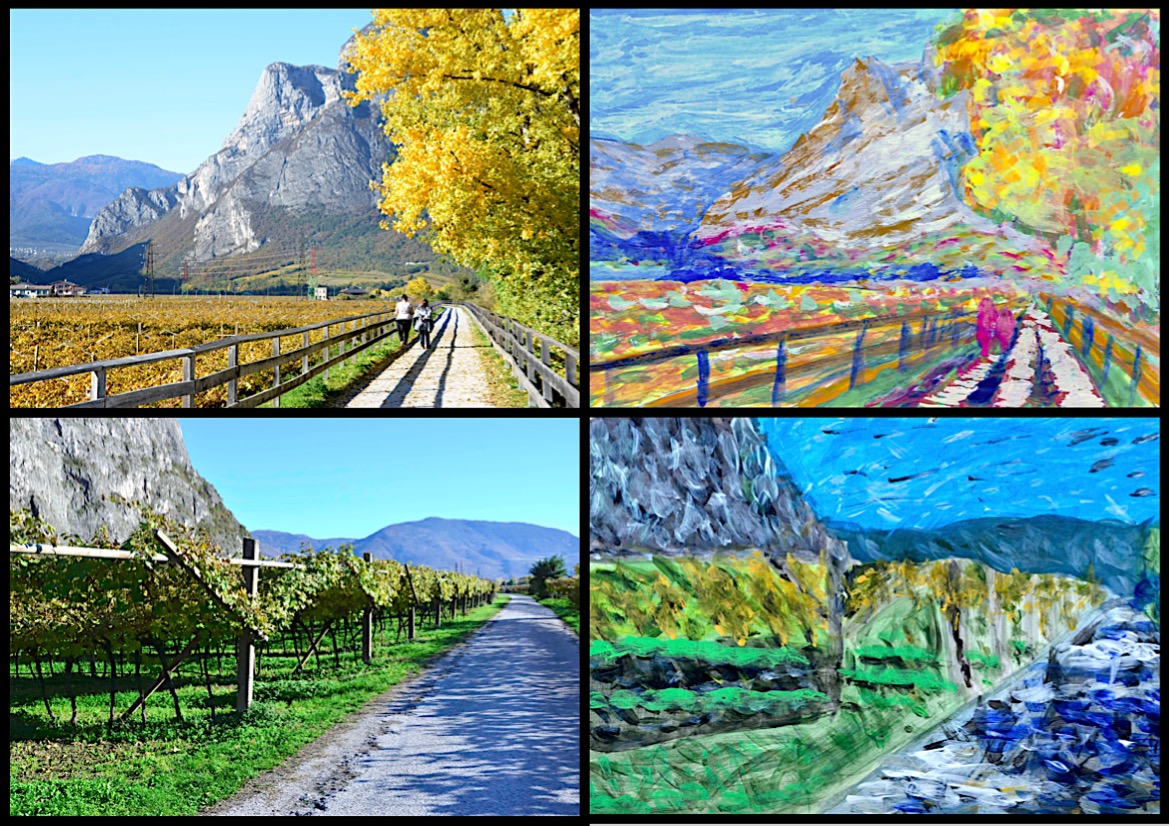
The best way to understand the Impressionist’s technique is to imitate it, in front of a real natural landscape. With students of grade 8th, we … Read more

Looking at the lines in the nature and the use of the lines in the art, we of course came to consider the work of … Read more
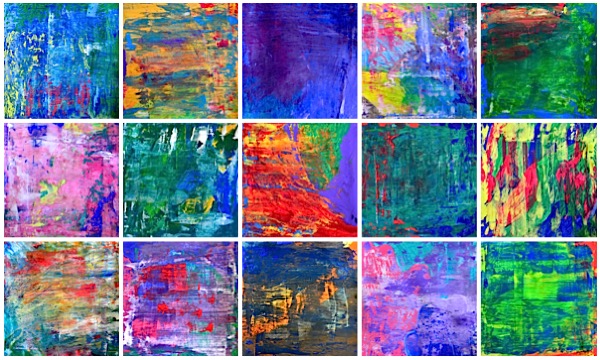
Gerhard Richter is one of the most outstanding living artists of our time. After a long discussion in class about the role of art, and … Read more
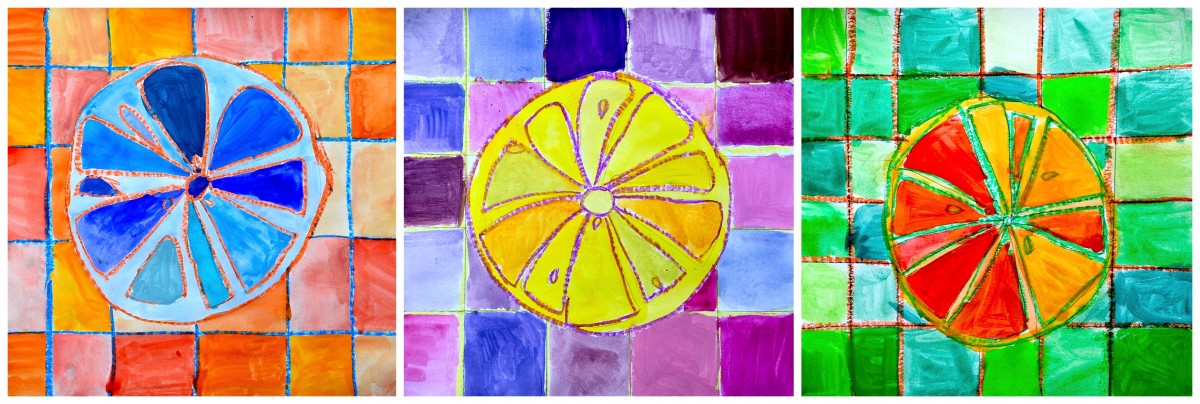
In order to experience the variety of complementary colors we thought to the shape of a lemon cut in half: for each segment, a different … Read more
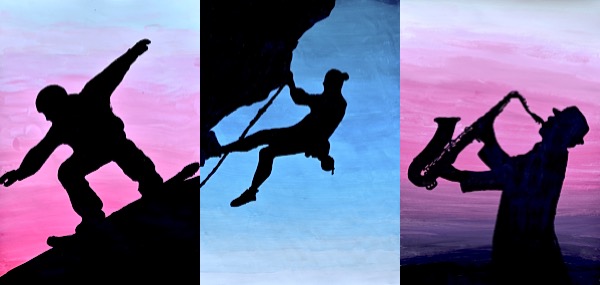
A simple exercise that has always a great success, is the painting of a silhouette that stands out against a background painted in gradation. In … Read more
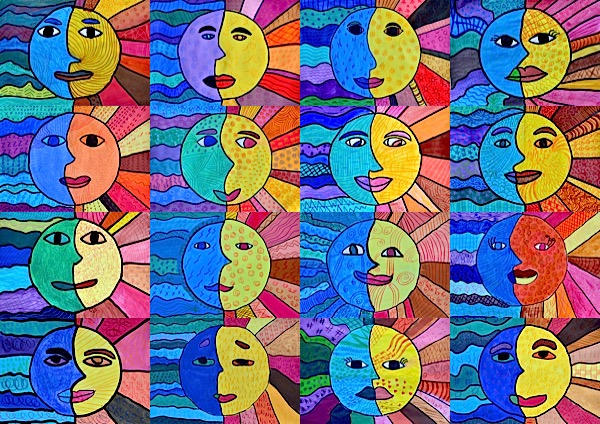
I thought of a imagine to match the feelings of “temperature” given from warm and cool colors. The idea has brought of this work, with … Read more

Here’s an exercise of painting, based on the colors primary, secondary and achromatic. Inspired by the works of Sonia and Robert Delaunay, these acrylic paintings … Read more
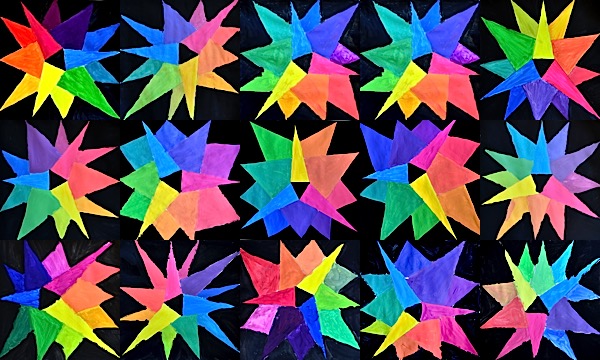
In 6th grade classes our exercises on color theory proceed with the analysis of the color wheel. We made a painting in order to understand … Read more
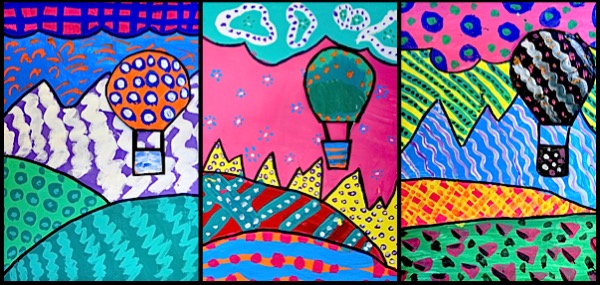
We have experienced on other occasions the use of acrylic paint for the realization of textured surfaces, with the shoe, the cup, the Italian coffee … Read more

The Japanese Haiku is a short poem of only three verses that contains a fixed metric structure: the thoughts and images that flow through the … Read more

Mysterious dunes enlightened by the moon, or lonely mountains in a hot desert? The landscapes painted by the students of Grade 6 are almost abstract … Read more